












Every year, the West Salem bands and choirs perform their holiday concerts for the community. With these being open to the public, anyone can come and enjoy good music with their friends and family. However, with the band concert this past weekend, you might not have quite understood exactly what instruments you were looking at. After all, many of them are rarely mentioned outside of the band program. For those who need a quick guide and ranking of a few instruments, look no further.
Since music is inherently subjective, it’s essential to establish guidelines for instrument ranking. For this ranked list, the main features that will place the instruments will be how easy they are to learn and their versatility. For example, if an instrument is easy to learn, but has no use, it will be ranked below an instrument that has both.
#10 The Bassoon
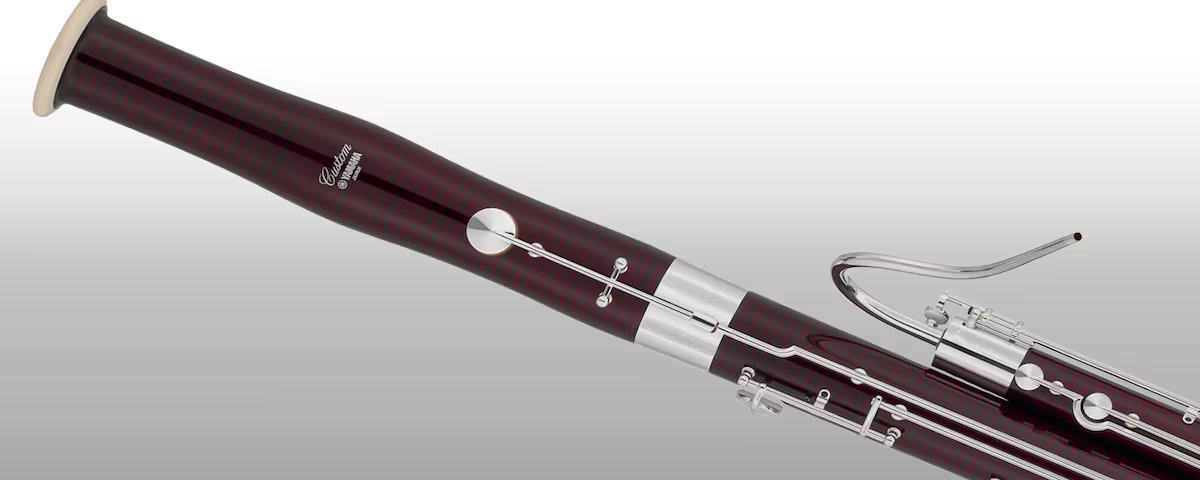
Rounding out the bottom of the list is the bassoon. This long, woodwind instrument is a distinctive-looking machine that produces a unique sound using a double reed. With a musical range of B flat 1 all the way to E 5, the bassoon makes for a pretty versatile low sound. Unfortunately, the bassoon is a challenging instrument to learn and play, which is why it remains relatively obscure outside of the concert band.
#9 The Oboe
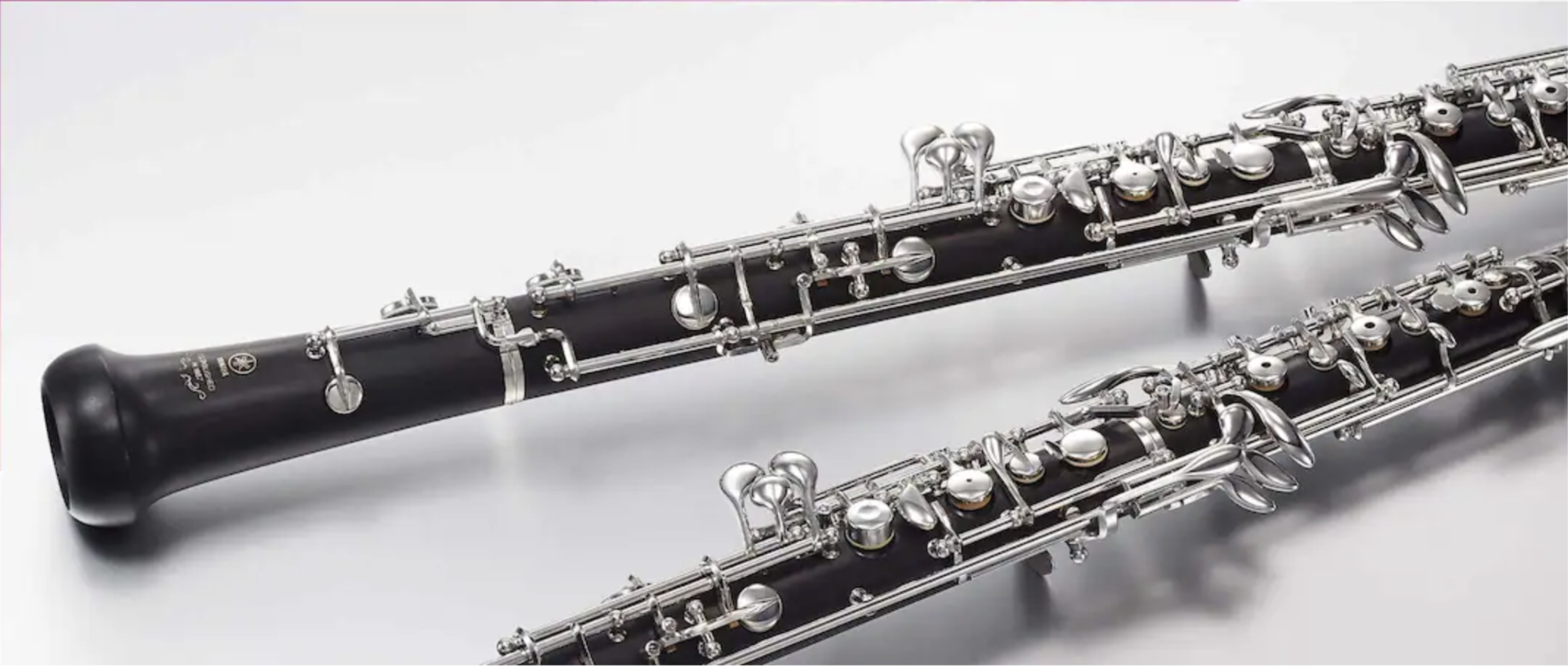
Coming in ninth is the bassoon’s younger sibling, the oboe. Like the bassoon, the oboe makes sound using a double reed, but the oboe happens to be much shorter. An oboe is only about as long as the clarinet, with a similar sound as well. Learning the oboe is also a tricky feat, as the double reed makes for a very difficult method of music-making without squeaking. However, the thing keeping it from dead last is the fact that concert bands heavily rely on the oboe for solos and other features, meaning it has a strong importance to the overall band.
#8 Tuba
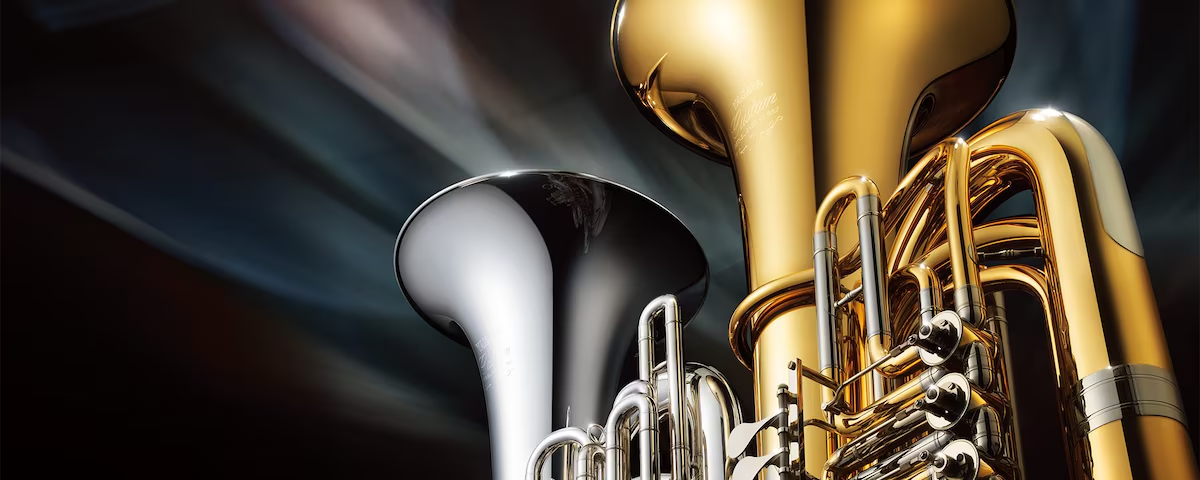
Number 8th on the list is the tuba, the lowest instrument in the symphony. The job of the tuba is to keep a steady beat or underlying rhythm in order to keep the band on track. Being a brass instrument allows for an easier time when it comes to making noise as well. All the player must do is buzz their lips into the designated mouthpiece and keep a steady airflow. The ease of playing puts this one step higher than its double-reed colleagues.
#7 Percussion
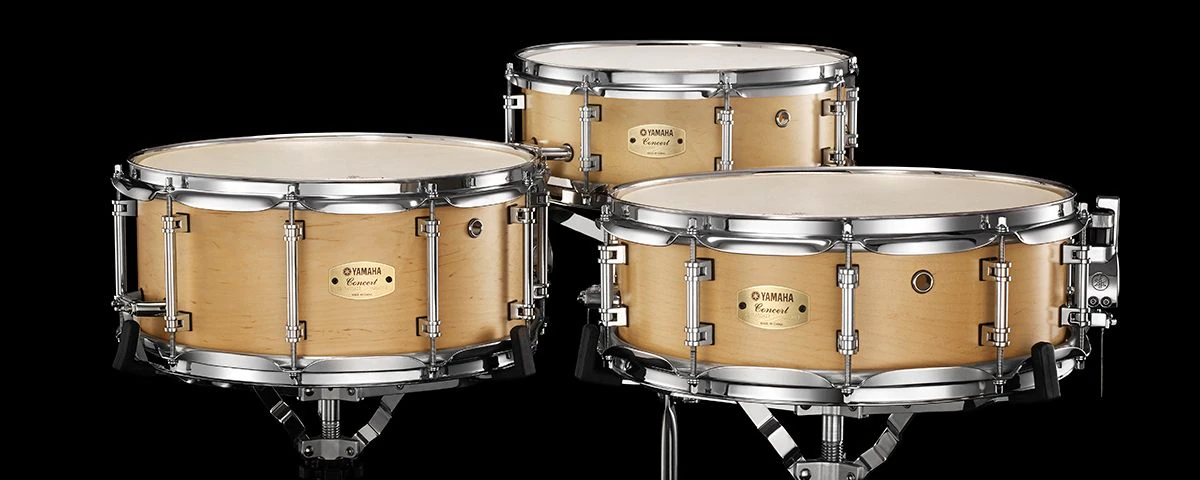
Number 7 on the list is actually a collection of instruments. The percussion in the back makes up almost the entire rhythm of the band. With various instruments such as the marimba, timpani, chimes, and snare drum, being in the percussion section is no easy feat. However, the sheer versatility of the percussion section makes running around the back of the band worth it by a landslide. Even if the bigger percussion instruments aren’t being used, you can guarantee that a drum set will be a large part of the jazz and show bands. There would be no band without the rhythm section, putting it at number 7.
#6 Clarinet
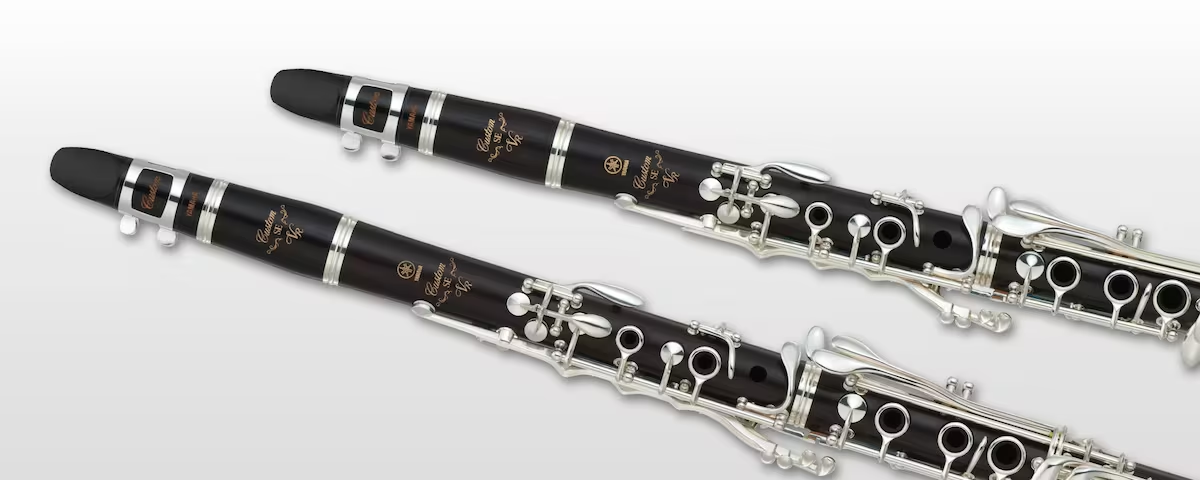
When the sixth graders get to pick out an instrument to learn, one of the most commonly chosen ones is the clarinet. At first, the clarinet proves difficult to play well, with squeaks and sharp sounds often being emitted. However, once the player masters playing the instrument, the clarinet makes for one of the richest-sounding instruments. On top of this, clarinetists are also expected to tune the symphony and perform numerous solos.
#5 French Horn
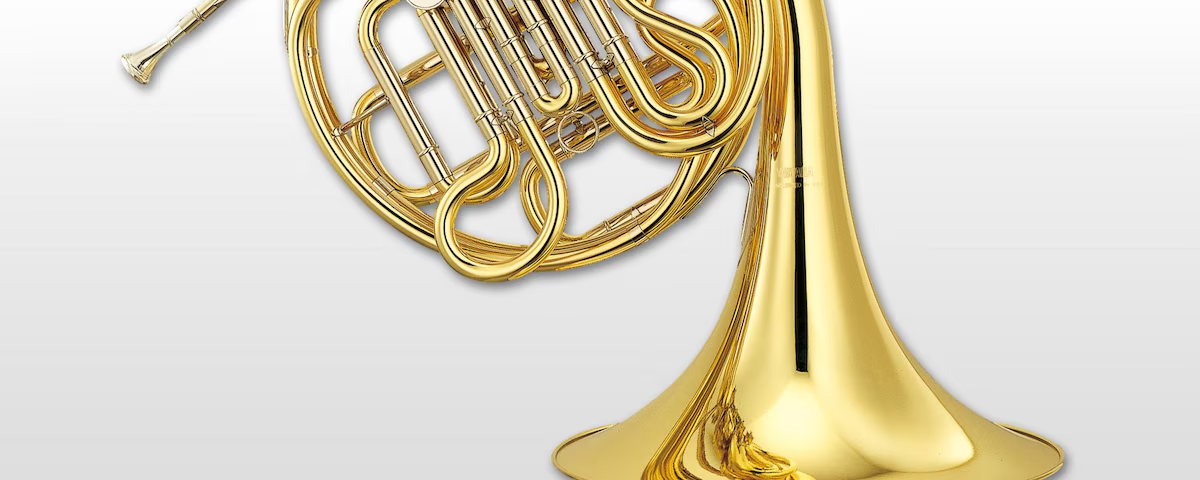
Acting as an odd mix between all the brass instruments, the french horn is a strange combination of an instrument that surprisingly shines in symphonic music. With a brassy sound, french horn players are also chosen to play many solos and features. However, keeping it from the very top is the difficulty factor. The french horn is a difficult instrument to play due to its many different semitones and overtones needed to play it correctly. A great horn player can make the french horn sound gorgeous; a bad player makes it sound like a piece of metal. The french horn just varies too much from player to player, keeping it from the very top.
#4 Flute
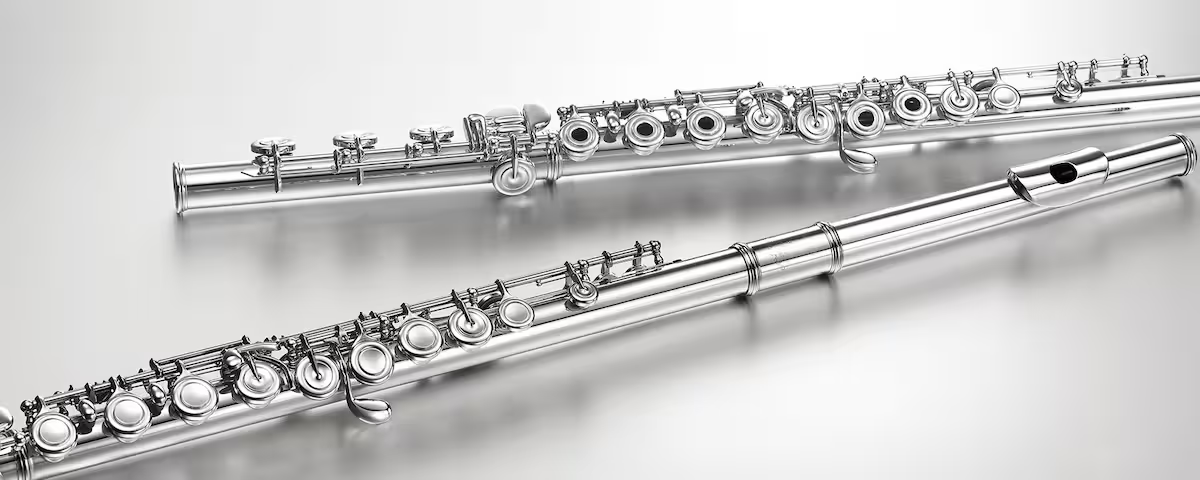
What the flute lacks in volume, it makes up for in technique. Despite being at the very front of the ensemble, they are often overshadowed by the louder instruments, such as the trumpet and saxophones. Regardless, the flute shines in slow ballads, ballets, and faster numbers with rapid sixteenth notes. No ensemble would be complete without the flute dancing above the rest of the band’s noise.
#3 Trombone
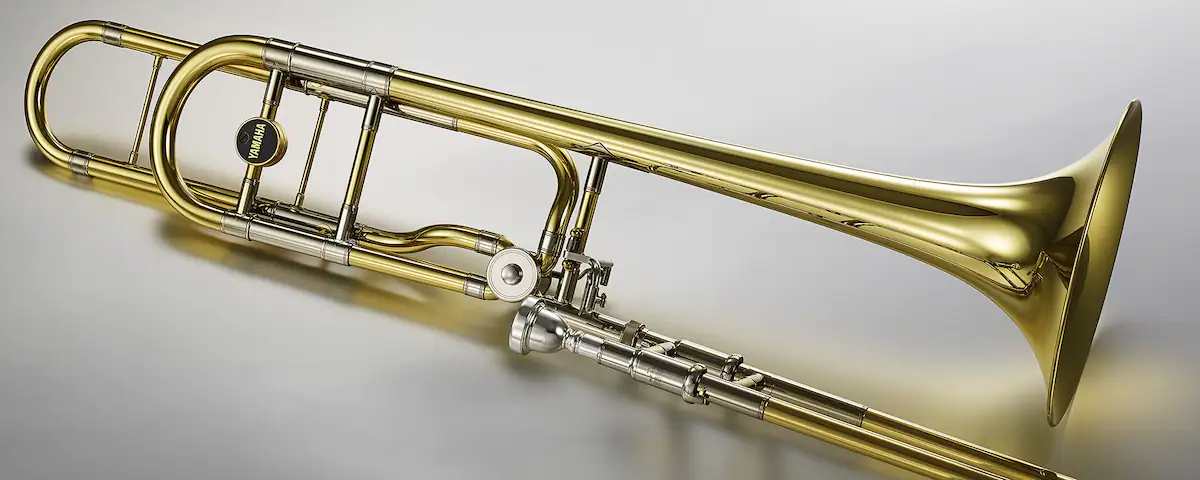
Earning the bronze trophy is the trombone, the unique instrument of the symphony. What makes the trombone special is that it operates on a slide instead of valves like most other brass instruments. This interesting design makes it shine in every environment. From a jazz band to the symphony, to even a flashy show band, the trombone’s low sound and unique look make it a staple in the music community.
#2 Trumpet
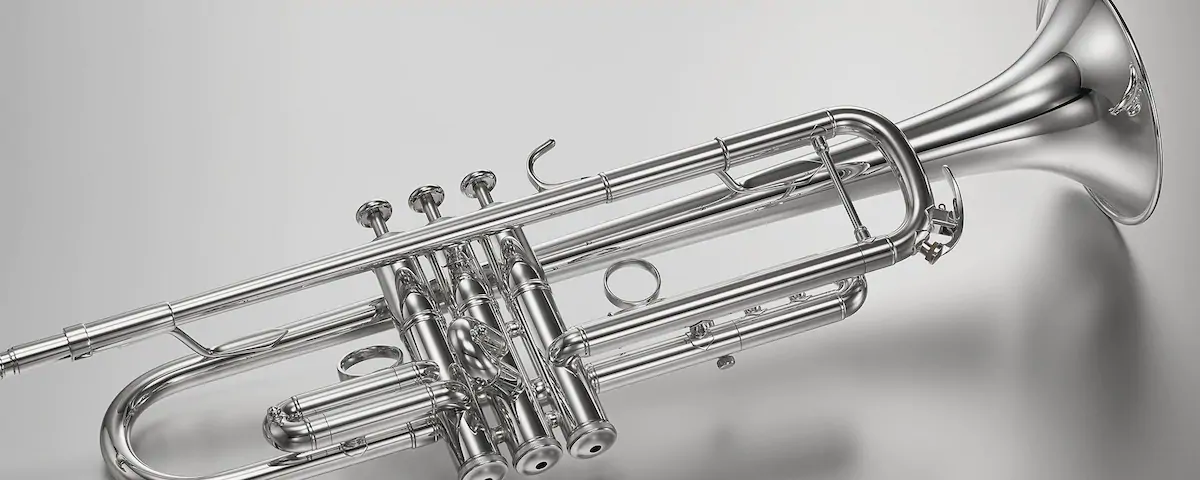
Finally, the first runner-up goes to the trumpet. Like the number one on this list, the trumpet is also one of the most versatile instruments. It can be found in the jazziest of music, all the way to military marches and taps. The trumpet is one of the first instruments that come to mind when picturing musical instruments, and there’s a reason for that. With the tons of representation the trumpet has in every ensemble, it’s no wonder that the trumpet is one of the most popular musical instruments on this list.
#1 Saxophone
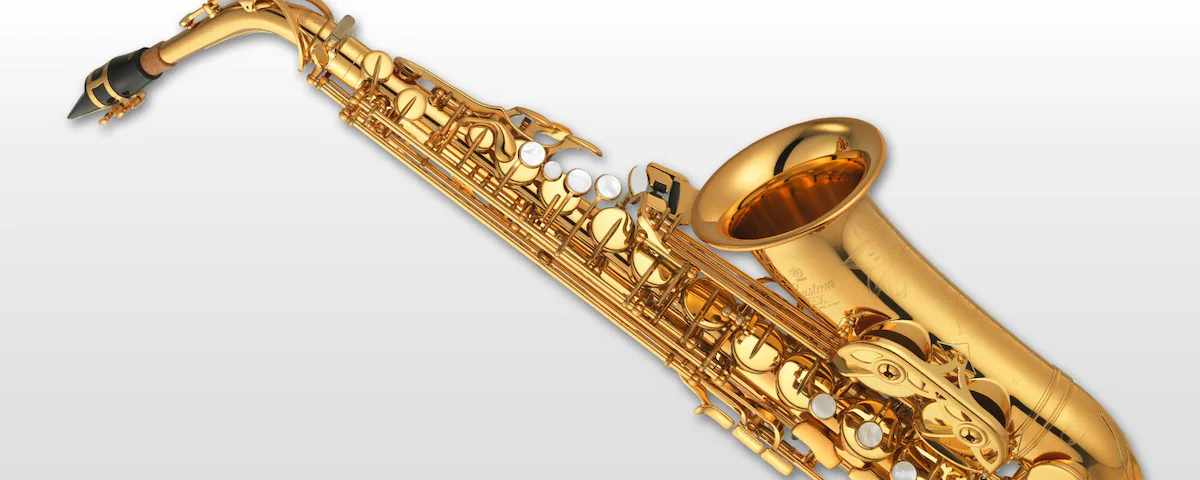
Coming in first place as the best instrument to learn is the saxophone. Being the most versatile of the instruments, anyone can pick up the saxophone and choose what they want to do with it. Commonly used in jazz, concert, and marching bands, the possibilities are endless. Similar to the style of playing, mastery of the instrument is also optional. Unlike other instruments on this list, the saxophone is very easy to pick up and just make a sound. Therefore, anyone who wants to play the sax can, and those who want to really master it can choose to do so, too.
For more information on music education in the LaCrosse area, you can go to Leithold’s Music at https://www.leitholdmusic.com/