
















The wilderness is very isolated from human life today. There are so many dangerous things, like the elements and wild animals. Throughout history, the wildness has been a source of fear and stories.
George Mallory and Andrew Irvine
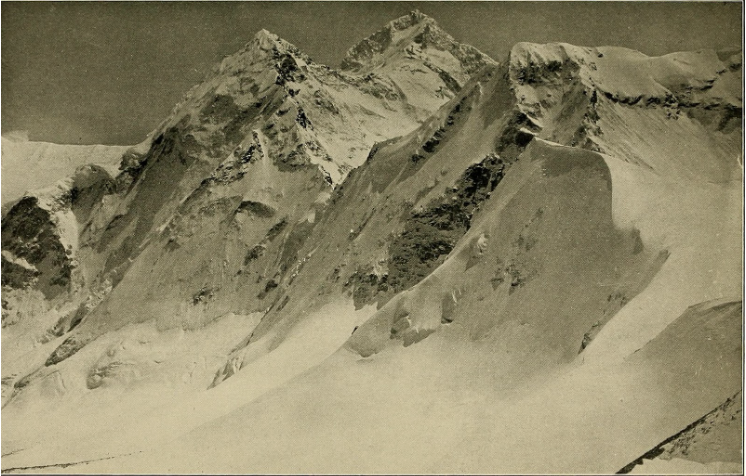
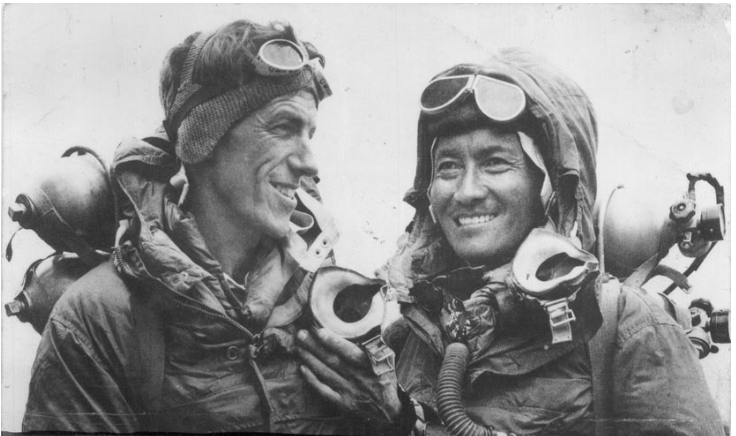
The first people to reach the top of Mount Everest were Edmund Hillary and Tenzing Norgay, or were they? About 30 years earlier, in the 1920s, George Mallory and Andrew Irvine attempted to summit Mount Everest. Conquering Mount Everest has been a source of fascination since it was known as the tallest mountain. Many mountainers describe a call to the mountain. When George Mallory was asked why he wanted to climb Mount Everest, he said, “Because it’s there.”
George Mallory was an experienced climber who was a part of many Everest expeditions. Andrew Irvine was inexperienced in mountain climbing, but he was Mallory’s chosen partner because Irvine knew how to use the revolutionary technology of oxygen tanks. Today, supplementary oxygen is commonplace in summit attempts.
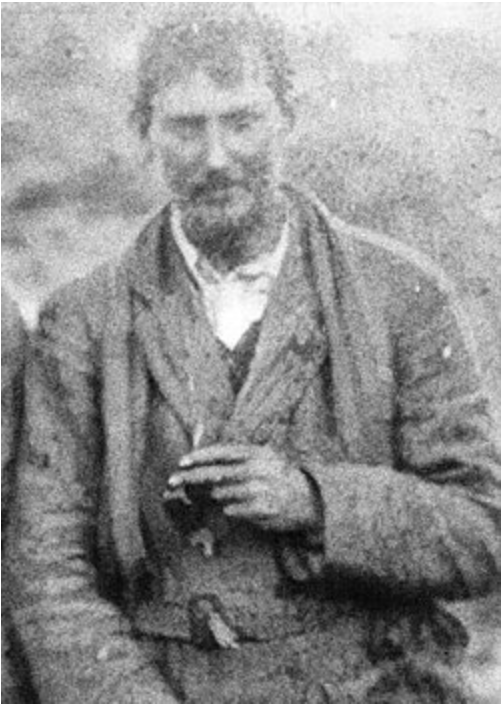
Although they were part of a larger team, the team sent only pairs to the summit, and it was Mallory and Irvine’s turn. Another person on the team was the last to see them. From far away, he saw them climbing toward the top. There is a hot debate about where he actually saw them. There are three steps on this side. The steps might sound easy, but they are actually large, difficult, rocky sections. If he saw them at the base of the second step at that time of day, they would most likely never have made it to the top because they would have been too far behind schedule. However, if they were seen at the base of the third step, which is higher up, the rest of the path to the summit would be much easier than the previous step.
If they made it to the summit, Mallory said he would have done three things. He would have grabbed rocks from the top, put a picture of his wife on the top, and taken photos from the top with a camera. Any one of these pieces of evidence could prove they made it, but as the decades have passed, they seem more unlikely to be found.
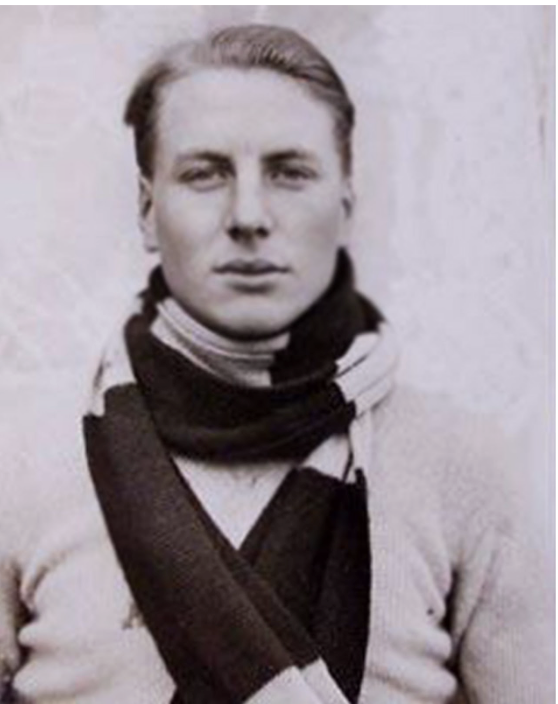
Some people believed that finding their bodies would answer everything, but it did not. When Mallory’s body was discovered, it was clear he had fallen, and he was buried under rocks. If the camera, photo, and rocks were on him, they could have been lost during the fall or when his body was recovered. Kodak has released instructions on how to attempt to recover the photo if the camera is ever recovered. Irvine’s body, recovered a year ago, also did not solve the case. He had also fallen, so we do not know how high up the mountain he had gotten. This adds to the mystery.
The biggest draw to this story is that there are enough clues to cause a mystery, but not enough to solve it. People have tried to track the evidence to determine where they fell, find the angle of the last sighting to figure out where they were, or guess their behavior, but at the end of the day, it is still unsolved. As long as the mystery remains, there will be people who insist they made it and people who insist they did not.
Dyatlov Pass
In 1959, 10 hikers set out on a hike through the Russian Ural mountains, and only one came back. The hikers’ bodies were found spread in various states of dress and strange injuries, like some were missing their eyes, and it seemed one had bitten off his own knuckle. Theories range from avalanches to top-secret Russian weapons tests.
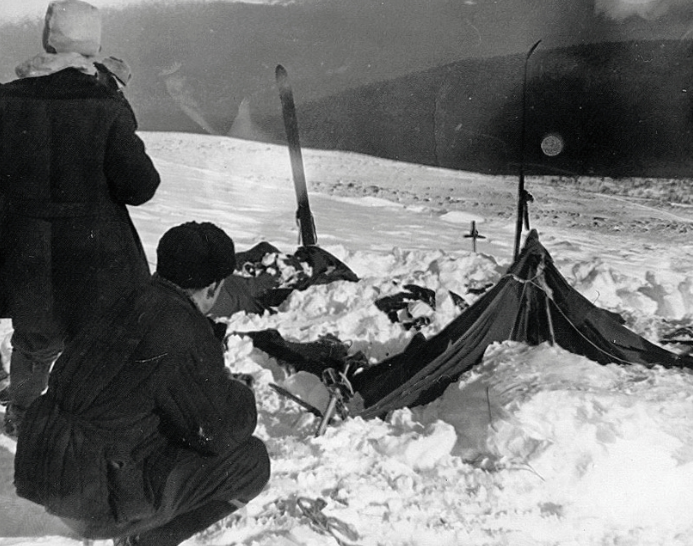
The trip is named after the leader of the trip, Igor Dyatlov. Nine of the hikers were from the same school. Seven of them were studying engineering, and two were studying economics. A World War II veteran was added last minute to the trip. He was the odd one out. He was a sports instructor nearing forty while everyone else was in their twenties. His involvement raises suspicion. Some people think he added the trip as an informant for the Soviet Union’s government. Maybe he was sent because they were too close to something they should not have seen.
One of the students left due to an earache, and it saved his life. When they were found, their tent was slashed from the inside, and snow was piled on top. Some were missing socks and shoes, suggesting they left the tent in a hurry. Some had injuries that would be caused by hypothermia, but some had injuries that were consistent with a car crash. Some were grouped higher, and others were grouped lower. It was discovered that two had fallen out of a tree. Many had their eyes missing, and one was missing their tongue, although birds commonly eat those on corpses. Most strangely, some of them had radiation.
All the different types of injuries have led to many conclusions. The official answer was an avalanche that got them out of the tent, and they died of hypothermia. However, many people believe that it was a secret weapons test. It is thought that the Soviet Union was secretly testing chemical weapons and covered it up.
DB Cooper
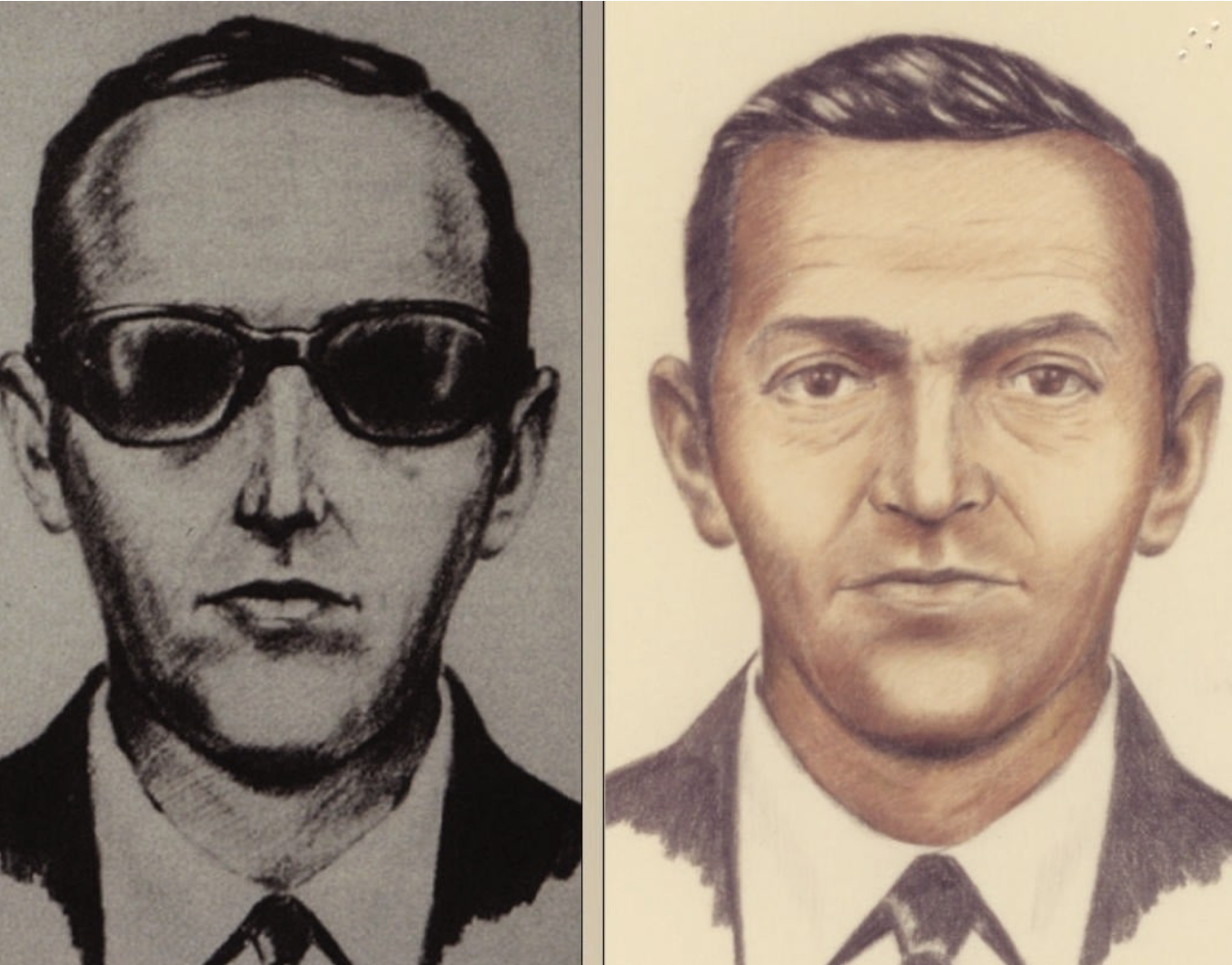
The wilderness-mystery part of DB Cooper’s case is not who he was, but where did he go. In 1971, a man using the alias Dan Cooper–a newspaper wrongly called him DB Cooper, and it stuck–hijacked a plane and became one of the FBI’s great unsolved mysteries.
He got on a plane headed to Seattle, Washington, and in flight, he gave a note to a stewardess saying he had a bomb. He showed her the bomb in his suitcase and demanded four parachutes and $200,000 in twenty-dollar bills. The plane landed in Seattle, and Cooper exchanged the passengers for the money and parachutes. Many of the crew remained, and they set off toward New Mexico. However, he did something unexpected. Mid-flight, he jumped out of the plane with a parachute and the money, never to be (officially) seen again.

There was a vast search for him. Five years after the hijacking, the FBI had considered 800 suspects, but all but two dozen suspects had been eliminated. There was not much helpful information until 1980, when a young boy found a bag of rotting money. It was $5,800 and matched the ransom money serial numbers. The FBI believes this evidence supports the idea that he did not survive the jump. The situation would have been dangerous for a pro: the parachute could not be steered, his clothing and shoes were not good for a rough landing, and he would have landed in a wooded area at night.
On the other hand, his body was never found. Since they found some of the money, they know generally where he would have landed. The FBI has used extensive resources for this case, so if he were there, he would probably have been found. He may have gotten out of the woods. Many people have claimed to be DB Cooper, and many have been accused. Yet no one has been conclusively identified as DB Cooper, dead or alive.
Regardless, the woods protected his identity from then until the foreseeable future. If he had gotten off the plane in New Mexico, the FBI, who had already learned about the hijacking, would have probably caught him then. The woods were the perfect place to hide himself and the evidence. The woods’ isolated nature could have allowed him to get away without ever being seen, or he died there, and the crowdness and rough terrain of the woods have well hidden his body. Overall, the woods were in the perfect place to escape if his goal was anonymity.